
Quick answer: Wood and vinyl fences should not be cleaned the same way. Vinyl is a manufactured surface with seams and hardware; wood is porous, can raise grain or splinter, and may have stain, paint or weathering that changes how much pressure it can tolerate.
Jacksonville context: Jacksonville and Northeast Florida fences can see strong sun, humidity, irrigation overspray and recurring organic growth, but wood and vinyl do not respond the same way. Start with the material—not the stain color—before choosing pressure or chemistry. See our Jacksonville service area for local coverage.
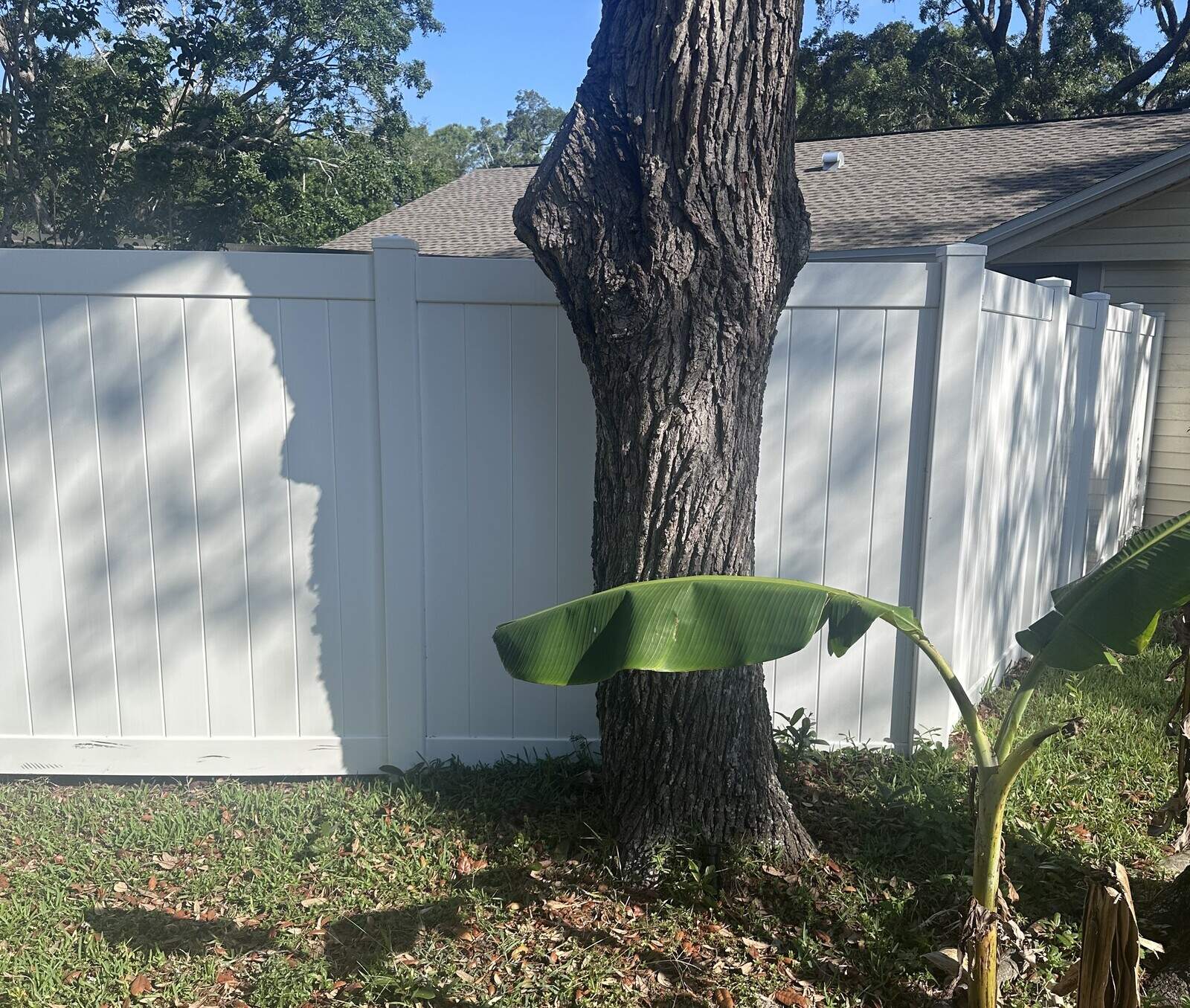
Wood is porous and condition-sensitive
Age, species, grain, previous stain and sun exposure can make one wood fence very different from another. Too much pressure can fur or splinter the surface and create visible wand marks.
Vinyl is smoother but still not indestructible
PVC and vinyl panels can show organic film clearly and usually do not require aggressive pressure. Gates, caps, seams and oxidized or scuffed areas should be inspected before cleaning.
Cleaning is not the same as refinishing
A weathered gray wood fence may be clean and still look aged. Likewise, scratched or faded vinyl may remain imperfect after organic buildup is removed. Restoration, brightening, sanding, staining and painting are separate scopes.
Test the method before committing to the whole fence
An inconspicuous test area can reveal oxidation, coating failure, raised wood grain or unexpected color change. That is especially useful on older fences or surfaces with unknown previous treatment.
What to inspect before fence cleaning
- Material: Wood, vinyl and PVC require different pressure and chemistry decisions.
- Finish: Paint, stain, oxidation and sun fading can affect the final appearance.
- Hardware: Hinges, latches, fasteners and decorative caps should not be treated as ordinary flat surface.
- Landscaping: Shrubs and groundcover often sit directly against fence panels and need protection.
Cleaning versus fence restoration
A fence can be clean and still look weathered. Gray wood, peeling stain, oxidized vinyl, scratches and permanent discoloration are not the same as removable organic film. Cleaning should remove compatible buildup without promising that age, coating failure or surface damage will disappear.
The failure modes are different on wood and vinyl
Wood can be physically altered when pressure is too concentrated. Raised fibers, wand marks and uneven erosion can become more visible after the wood dries or receives stain. Vinyl and PVC are not vulnerable in exactly the same way, but aggressive cleaning can still force water through joints, damage weak components or expose oxidation and uneven fading that were previously hidden by dirt.
That is why a good cleaning plan starts with what can be damaged. On wood, the concern is often the fiber and any existing coating. On vinyl, the concern may be oxidation, brittle components, loose caps, painted sections or staining that is not purely organic.
Material-specific inspection checklist
- Wood: Check for splintering, loose boards, failing stain, exposed fasteners and soft or deteriorated sections.
- Vinyl/PVC: Check for chalking, cracks, loose caps, warped panels and irrigation staining.
- Painted fences: Treat the paint film as the surface being cleaned rather than assuming the substrate controls the method.
- Mixed materials: Gates, metal hardware, masonry columns and nearby landscaping may require separate handling.
How to set realistic expectations
- Organic growth may clean differently from rust, irrigation minerals or oxidation.
- Cleaning does not replace damaged boards, failed paint or sun-faded vinyl.
- A test area is valuable when the material, coating or previous maintenance history is uncertain.
Related fence and surface guides
For a fence with mixed staining or an unknown coating, send photos for a fence-cleaning estimate so the material and problem can be separated before quoting.
The safest cleaning decision starts with the material, existing damage, coating condition, access and the type of staining present.
Common questions
Which fence can take more pressure?
There is no universal answer. Material, age, coating and condition determine what is safe.
Can pressure washing damage wood grain?
Yes. Excessive pressure or close nozzle distance can fur, splinter or mark wood.
Does fence cleaning include staining?
Not unless specifically quoted. Cleaning and coating or refinishing are separate services.